Introduction
With the rising prices of electricity and the growing concern about the environment, solar power is increasingly becoming a necessity. More homeowners and companies consider purchasing solar panels to cut expenses and gain energy independence.
However, there is one question to ask: are solar panels worth it in 2026?
This article will tell you everything you need to know about solar panels: their functionality, cost, possible benefits, return on investment, and more.
1. What Are Solar Panels and How Do They Function?
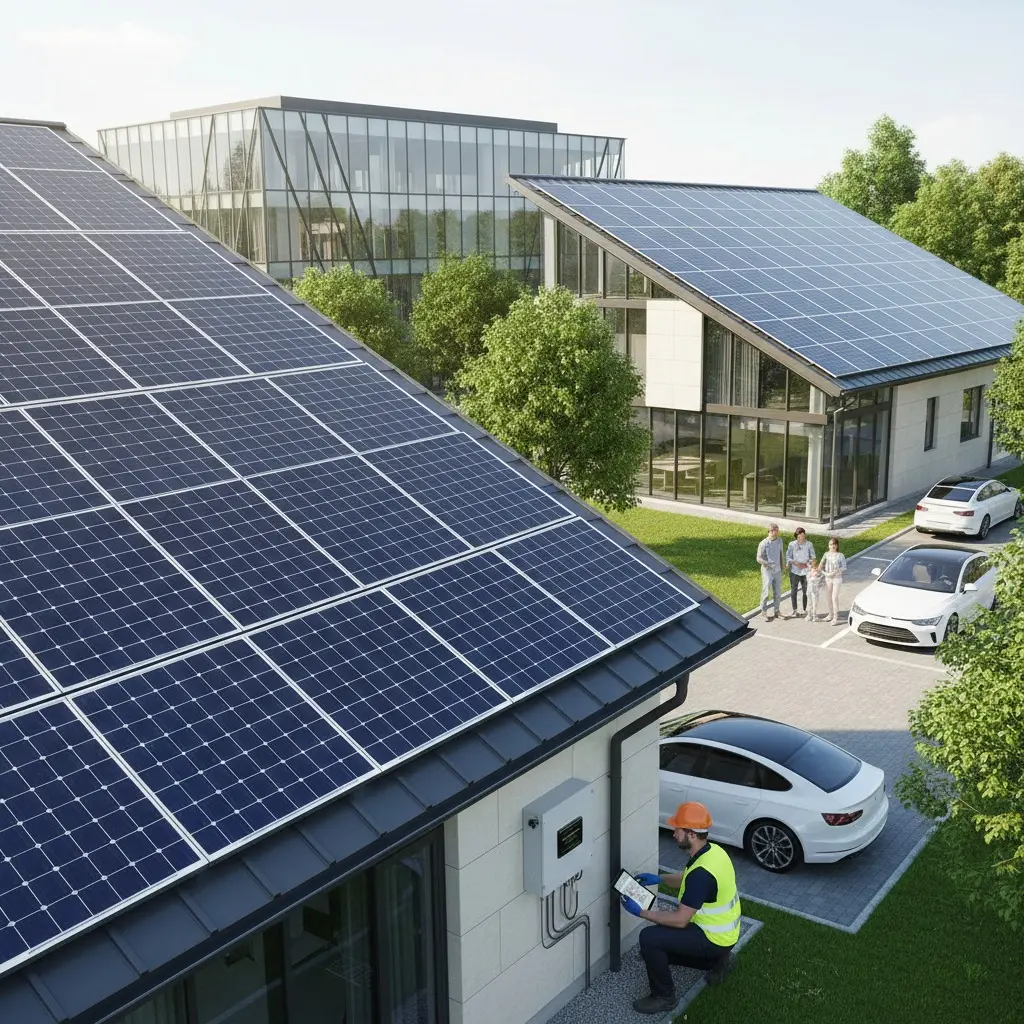
Solar panels convert sunlight into electrical energy using PV technology. There are numerous solar cells in each panel which capture the energy from the sun and produce DC electricity, which is further converted into AC through an inverter.
Components:
- Solar panels
- Inverter
- Mounting equipment
- Batteries (optional)
When the produced amount of energy is greater than required, extra energy can be stored in batteries or sent back to the grid.
2. Cost of Solar Panels in 2026
Thanks to recent innovations and technological development, the price of solar panels has dropped tremendously over the past decades.
The cost breakdown:
- Residential solar systems: $10,000-$25,000
- Cost per watt: $2.50-$4.00
- Solar systems with battery storage: additional $5,000-$15,000
There are various factors that affect the cost, including the size of the system, quality of components, difficulty of installation, and location.
Fortunately, you can take advantage of numerous incentives, which will help reduce the total sum.
3. Possible Savings
One of the main pluses of using solar panels is financial gains, especially in terms of reduced bills.
Potential savings:
- Cut bills from 50% to 100%
- Savings for up to 20-25 years
- No risk of higher prices
For example,
With a monthly electric bill of $150, installing solar panels can save you around $1,800 per year.
4. Return on Investment (ROI)
Although solar panels require a relatively big initial investment, in the end, they are actually an investment.
How much you have to spend before starting to reap the benefits?
- Time required: 5-10 years
- Value of the investment:
- Lifespan of the system: 20-25 years
- Electricity generated after the payback period: free
Additional perks:
- Return of money invested in solar panels
- Increase in the value of your property
Many people get their money back within several years and start earning thanks to their own solar power source.
5. Environmental Advantages of Solar Power
Not only will you gain economic benefits from using solar panels, but you'll also contribute to preserving our planet.
Benefits for the environment include:
- Reduction in CO2 production
- Lower dependence on fossil fuels
- Sustainable energy usage
6. Types of Solar Panel Systems
By knowing about various system types, you will be able to make an informed choice.
🔹 Grid-Tied Systems
- Connected to the utility grid
- Lowest cost option
- No battery needed
🔹 Off-Grid Systems
- Totally independent from the power grid
- Best for remote areas
- Battery storage needed
🔹 Hybrid Systems
- Combination of grid-tied system and battery storage
- Backup electricity in case of blackouts
7. Common Obstacles and Issues
Though there are numerous benefits associated with solar panels, there are some considerations:
- High cost of installation
- Roof condition and available space
- Availability of sunlight at your place
- Regulations related to solar installation
Site assessment will help to understand whether your location is suitable for installing solar energy.
8. Is Solar Power Suitable for Your Situation?
Installing solar panels is a wise decision if:
- You have high electric expenses
- Your location gets abundant sunlight
- You are planning to remain long-term on the same place
- You desire to have energy independence
These criteria being met, then solar energy is highly beneficial for you.
9. Future Prospects of Solar Energy
The future of solar energy seems bright with ongoing technological innovations in this sphere.
Trends in Development of Solar Panels:
- Increased efficiency of panels
- Enhanced battery storage
- Development of smart energy management systems
- Reduced installation expenses
Advancements in technology will lead to increased efficiency and reduced cost of solar energy.
Conclusion
So, are solar panels worth it in 2026?
Certainly yes for the vast majority of cases!
Given the decreasing prices, substantial savings, and environmental pros, solar panels are an excellent choice for today.